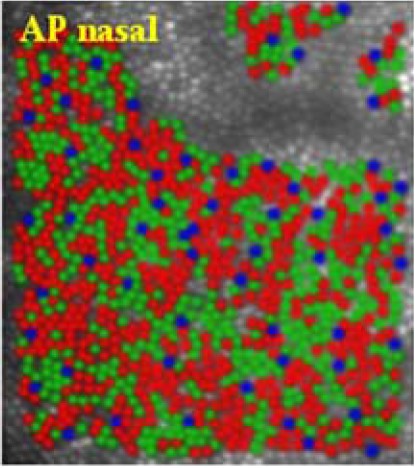
Figure 1: False color images showing the
arrangement of L (red), M (green), and S (blue) cones in the retinas
of different human subjects (From Hofer, 2005).
Introduction
Figure 1: False color images showing the
arrangement of L (red), M (green), and S (blue) cones in the retinas
of different human subjects (From Hofer, 2005).
| Home | Introduction | The Visual System | Compressive Sensing | Single-Pixel Imaging | Conclusions | References |