| Home |
|---|
| Introduction |
| Approach |
| Methodology |
|
Verification of Sensor Linearity |
|
Spectral Sensitivity |
|
Resolution
|
|
Chromatic Aberration |
| Summary |
| Acknowledgments |
| References |
| Appendix I: Code |
Resolution
Figure 4 and Figure 5 below show cropped version of the images used to measure these cameras' modulation transfer functions. As previously mentioned, these images are taken from the ISO resolution target. Twenty data points were measured, one at each of the numbered tick marks on these resolution gradients.
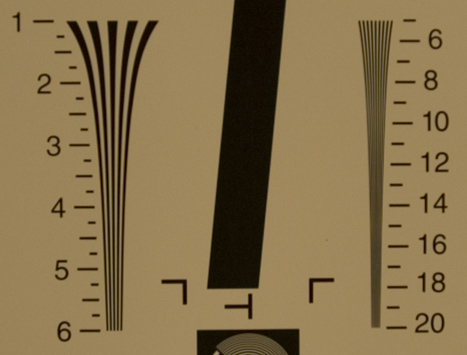
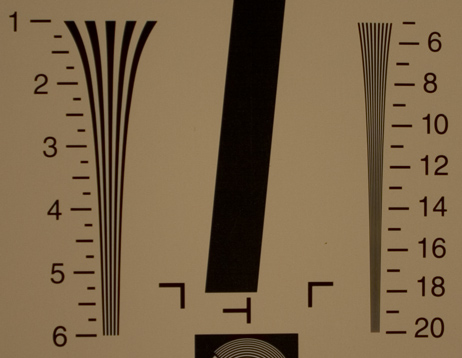
Figure 6 below shows the results of this analysis.
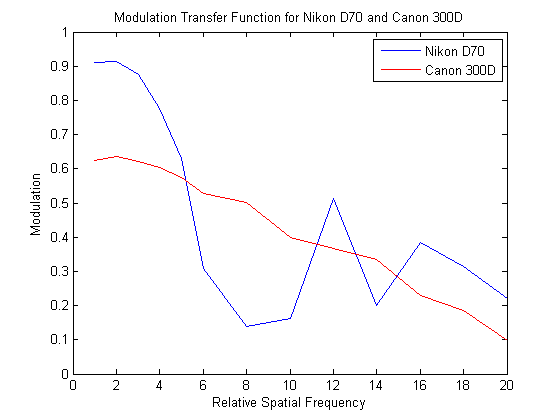
Given the much higher price of the Nikon lens, the rapid falloff of the MTF is surprising to observe. Indeed, the most likely cause of this is improper data gathering. Figure 4 is visibly out of focus due to experimental error; it seems that the experimenter's zeal to ensure that the Rebel and D70 stayed at the same distance from the target caused him to force the D70's lens too close to the target for a good focus. It was also considered very important to take the photos at 18mm to allow the aperture to be as wide open as possible (f/3.5 for both cameras), because this would expose aberrations to the maximum extent -- this made getting a good focus on the relatively small resolution target (while ensuring the features were large enough to allow for meaningful calculations) tricky indeed.
As documented in a publication by Optikos Corporation on how to measure MTF, an out-of-focus image such as this one can result in phase reversal of the image, which would explain the strange down-and-up appearance of the MTF curve (see Figure 6 and Figure 13 in the Optikos document for clear demonstrations of this phenomenon). More than likely, a proper measurement of the Nikon's MTF would have the curve continuing smoothly from its value at f=5 (on Figure 6's axes) to its value at f=12, as depicted below in Figure 7.
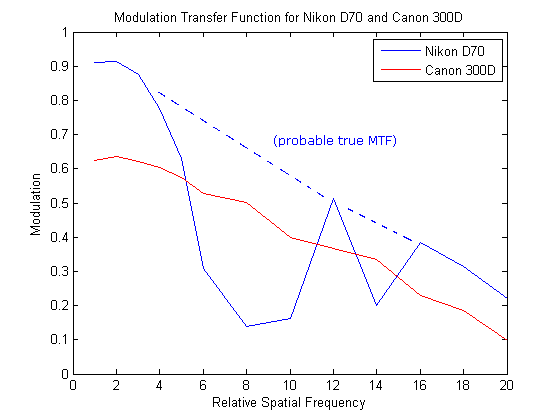
In contrast, the Canon image appears to be appropriately sharp, and so the data captured here likely gives an accurate picture of the lens's MTF. The bottom line would seem to be that, setting aside the problems with the experiment, the Nikon lens is indeed superior in its MTF characteristic; the Canon has a surprisingly low MTF at low frequencies and lags the Nikon lens at higher frequencies as well.