EEG Model for Classifying Dominant Images in Binocular Rivalry

EE362/Psych221 Final Project - Winter 2009
Blair Bohannan and Steinunn Arnardottir


Background
Stimuli
Methods
Analysis
Results
Conclusions
Acknowledgements
References
Appendix
Contact
 
Home

Conclusions
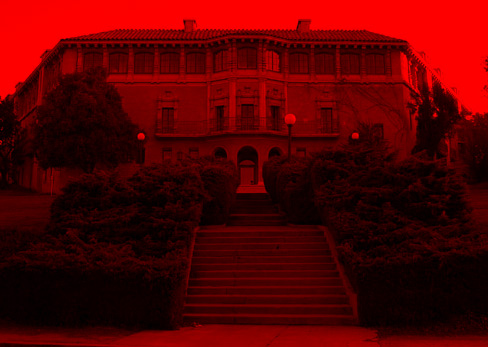
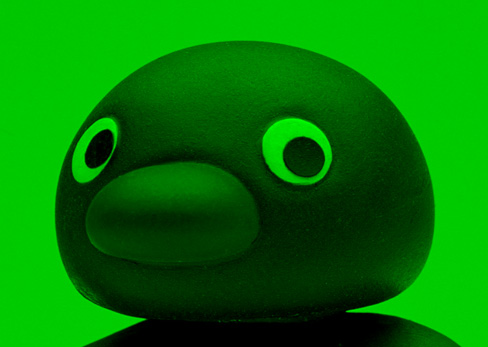
To conclude, we acheived above-chance rates for all types of classification attempted here, including two-class group rates as high as 93.8%; four-class group rates as high as 85.3%; eight-class rates as high as 62.0%; and pair rates as high as 98.8%. This top-rated pair (large red building vs large green penguin)


red-house   green-pingu


is then the most promising candidate to use in the binocular rivalry expermient. It is interesting to note that success in classification was not a function of the number of dimensional differences between the stimuli; based on the top pair, one might conclude that large images in general classify better than small images. This theory is supported by the fact that the two lowest-rated pairs contained small images exclusively.


Next Steps
Our next steps include further analysis of the present data, including classification by each channel (similar to the classification performed on one ICA source at a time). Some exploration of the effect of using fewer ICA sources for classification to strengthen the rates is also warranted. We will need to adjust the luminosity of the green image so that when we classify on color, we are not classifying on luminosity as well. One way to confirm equal luminosity across the images would be to include a red-green colorblind subject; we would then expect this subject to produce chance-level rates on all classifications of images differing only by color.